
Nose & chin surgery
Reshaping the central face for balance
Rhinoplasty refines nasal dorsum contour, tip projection, and nasal width — including correction of a dorsal hump or deviated septum. Chin augmentation is sometimes performed alongside rhinoplasty or as a stand-one to restore facial balance and profile harmony.
Nose & chin surgery at a glance
Overview
Rhinoplasty and chin augmentation are among the most transformative facial plastic surgery procedures, especially when performed together. The nose and chin define facial profile, and their relationship determines balance and harmony, so even subtle changes dramatically improve proportion and symmetry.
Dr. Anghel combines an artistic eye with surgical precision when she addresses both nasal breathing and function along with aesthetic goals. She uses an open approach to rhinoplasty and uses a well hidden external incision under the chin for implants.
Recovery
Most rhinoplasty and chin surgery patients return to social activity or work within 10–14 days. A nasal splint is worn during the first week, with swelling and bruising around the nose and eyes gradually resolving over subsequent weeks.
Cahin implant patients experience mild swelling and tightness for 1–2 weeks. Most patients manage discomfort comfortably with over-the-counter medication.
Dr. Anghel recommends avoiding strenuous activity for 4 weeks post-surgery, while gentle walking and light stretching are encouraged throughout rhinoplasty and chin augmentation recovery.
Results
Nose and chin surgery results are visible immediately, with continued refinement as swelling resolves. Swelling peaks 2–3 days post-op, bruising subsides within 1–2 weeks, and swelling is roughly 80% improved by 4 weeks, 90% by 3 months, and 95% by 6 months.
Rhinoplasty results keep refining for up to a full year as residual nasal tip swelling clears. Scars, when present, fade from pink to thin white lines, with full healing and final results complete within one year.

Types of nose & chin surgery

Functional rhinoplasty with septoplasty
For patients whose primary concern is the shape, size, or definition of the nasal tip — including a wide, bulbous, or drooping tip — without requiring changes to the bridge. This more limited procedure delivers precise, targeted refinement with a focused recovery.
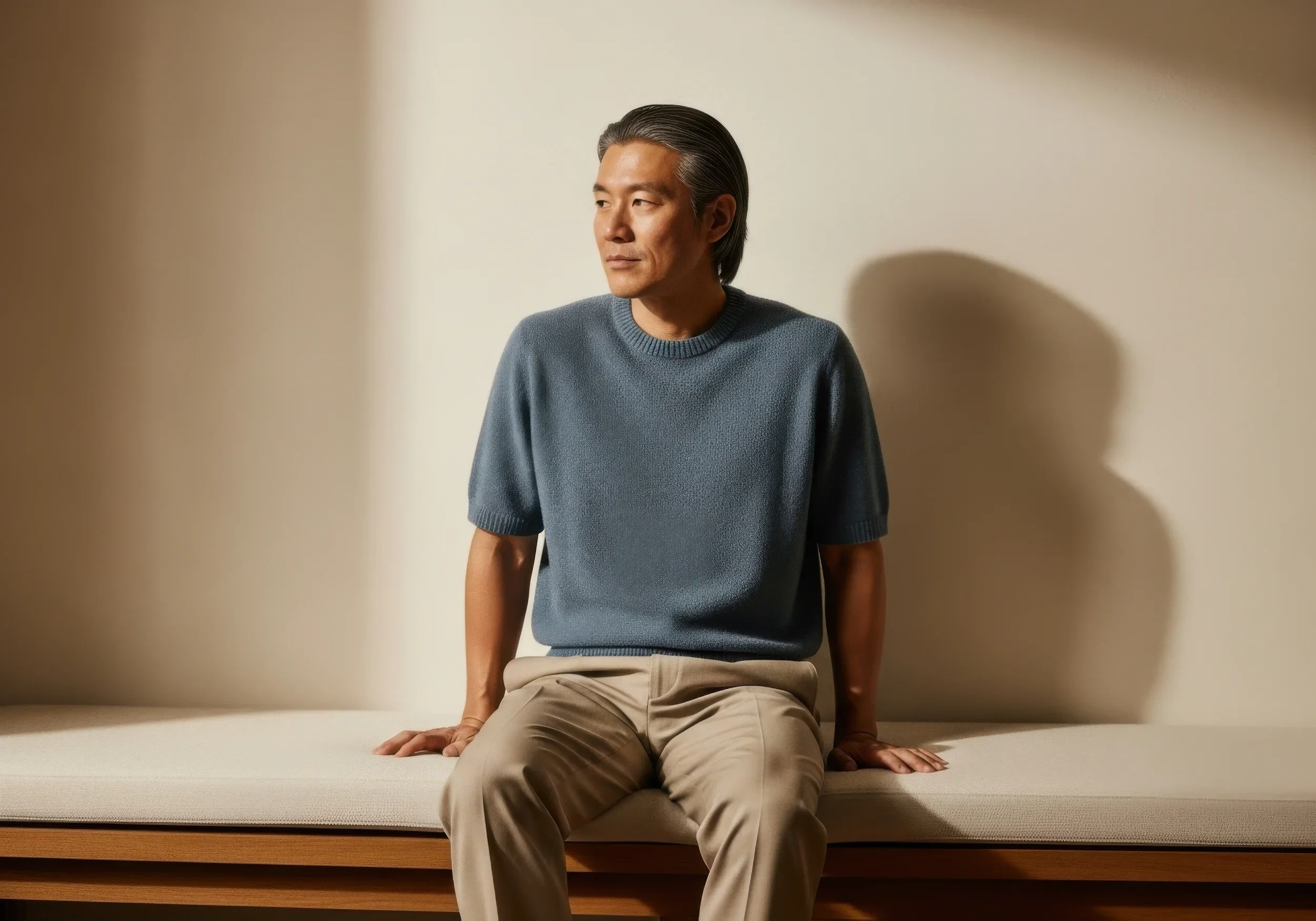
For patients who have had a prior nose surgery and are seeking correction of unsatisfactory results — whether aesthetic or functional. Revision rhinoplasty is among the most technically demanding procedures in facial plastic surgery, and Dr. Anghel's surgical training and meticulous approach make her exceptionally well-suited for these cases.
Revision rhinoplasty
For patients who have had a prior nose surgery and are seeking correction of unsatisfactory results — whether aesthetic or functional. Revision rhinoplasty is among the most technically demanding procedures in facial plastic surgery, and Dr. Anghel's surgical training and meticulous approach make her exceptionally well-suited for these cases.
Liquid rhinoplasty
For patients seeking a preview of chin projection or a subtle enhancement without surgery, injectable chin augmentation using dermal filler offers a temporary, reversible option. This is an excellent starting point for patients considering surgical augmentation in the future.
Non-surgical chin augmentation
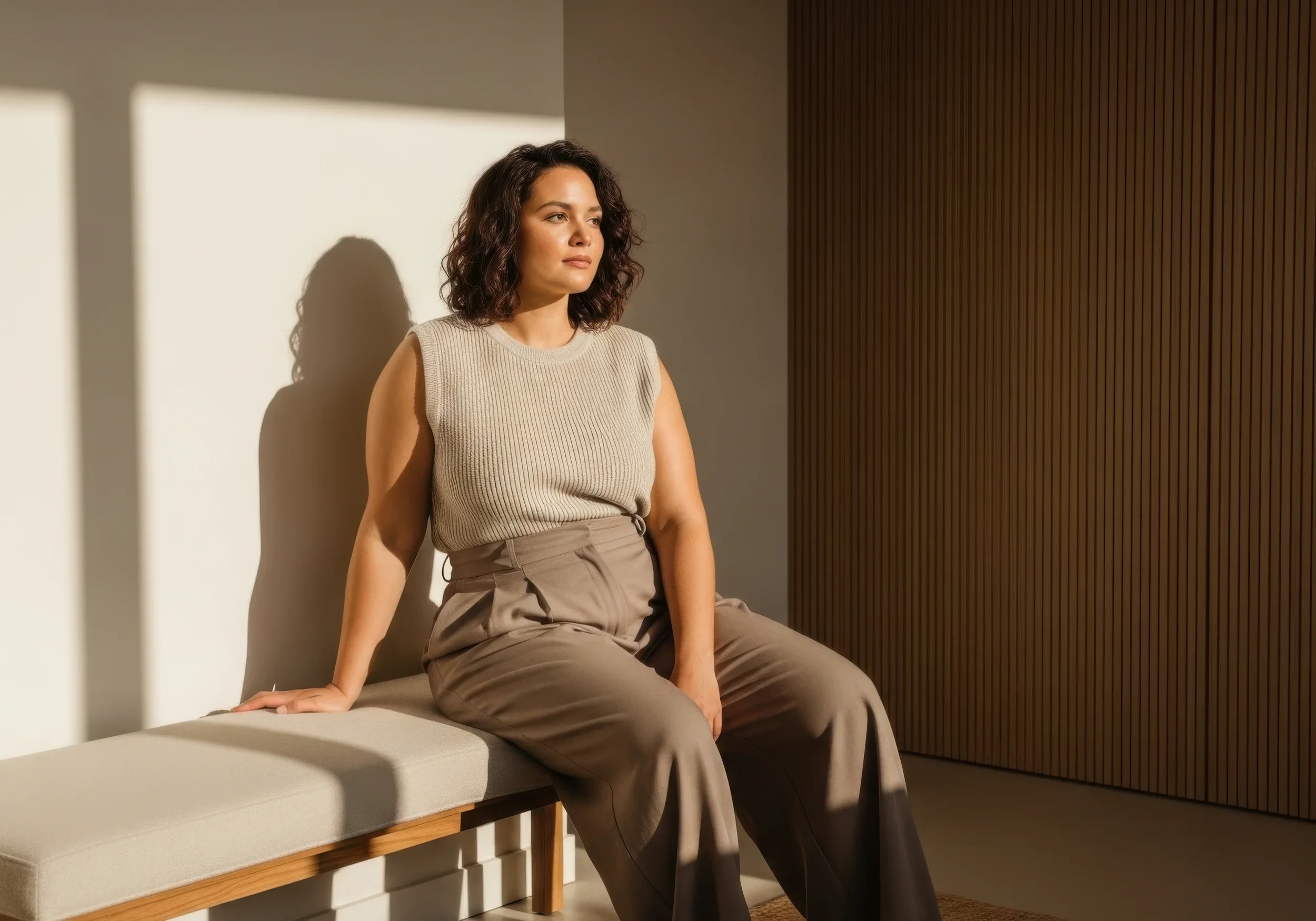
For patients with a weak or recessed chin that creates an imbalanced profile. A chin implant is placed through a small incision under the chin, adding projection and definition to the jawline with minimal downtime. This procedure is commonly combined with rhinoplasty for a comprehensive profile enhancement.
Chin implant (mentoplasty)
Designed for patients seeking refinement of the nasal bridge or tip while maintaining the nose's natural structure and character. Dr. Anghel uses an open rhinoplasty technique that reshapes from within — reducing a dorsal hump or refining the tip without removing the native cartilage framework. This approach minimizes swelling, supports a more natural result, and reduces recovery time.
Cosmetic rhinoplasty
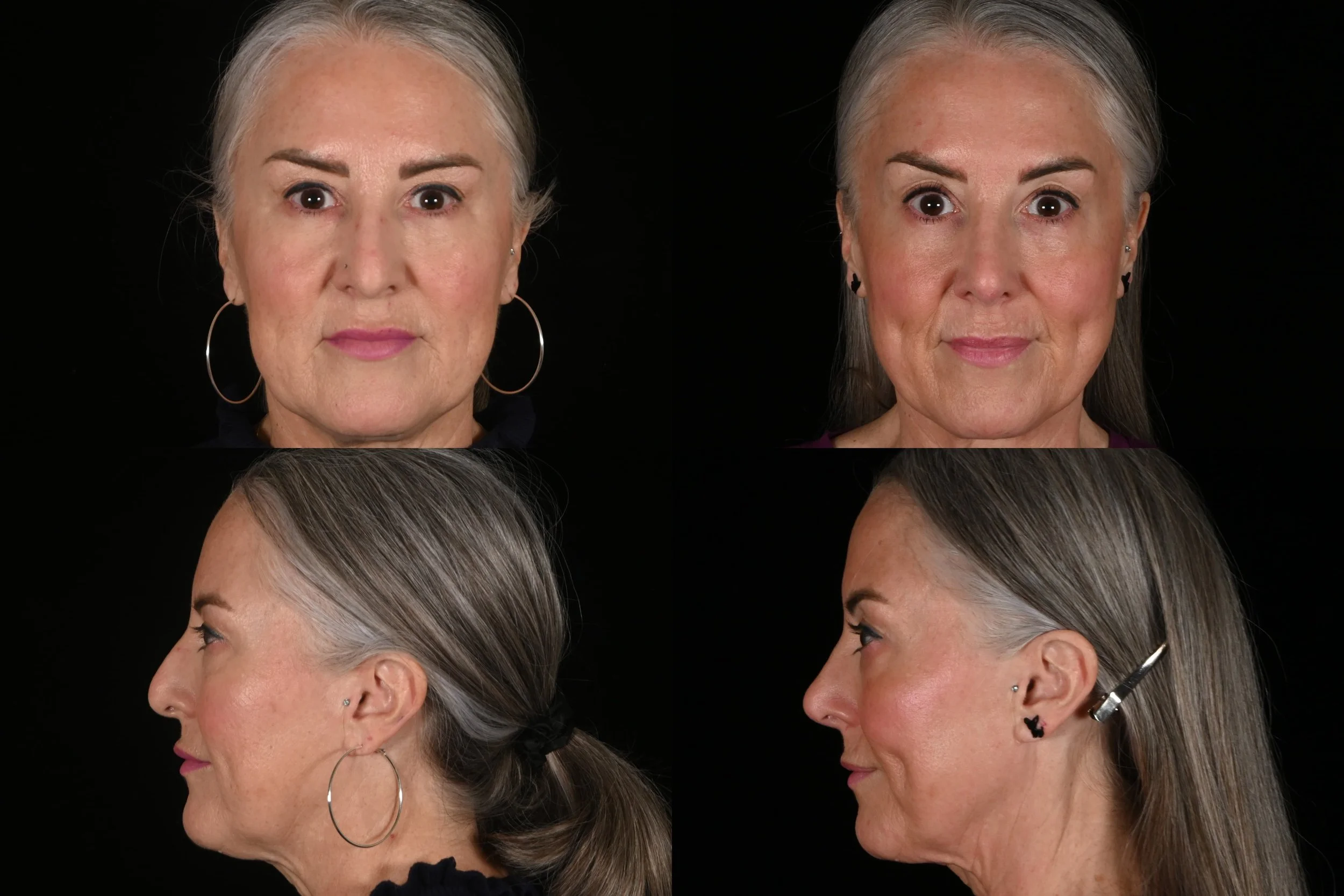
Rhinoplasty
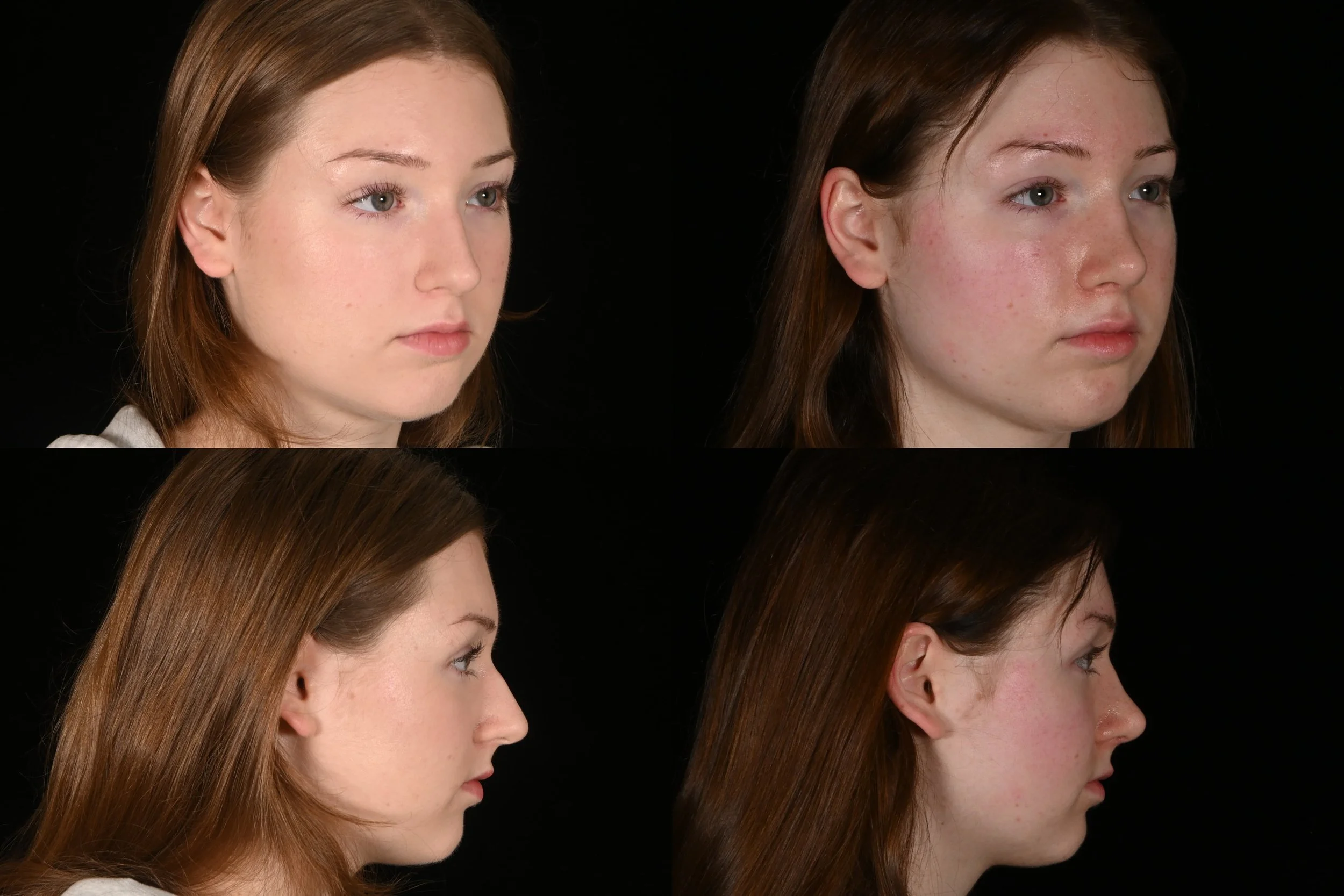
Rhinoplasty
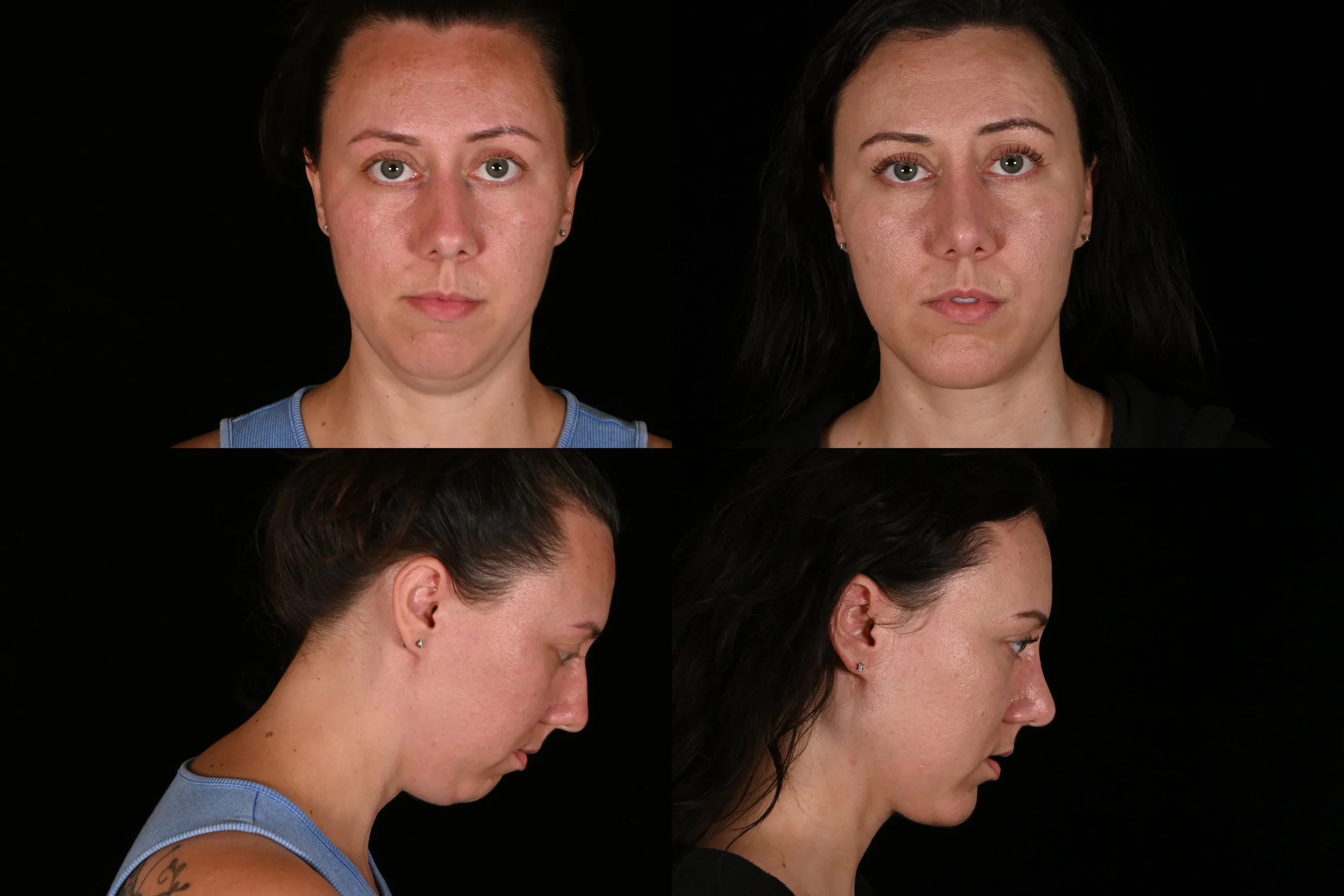
Rhinoplasty, chin implant, deep plane neck lift
“I had a wonderful experience with Dr. Anghel. She performed my alar reduction, Botox, and lip filler, and I couldn’t be happier with the care and results. She is thoughtful, skilled, and takes the time to really listen and explain everything, which helped me feel comfortable because I have high anxiety. I never felt rushed, and she was very attentive to detail and natural-looking results. Her staff are also very kind and professional. I would highly recommend to anyone.”
“I had a rhinoplasty done almost exactly a year ago by Dr. Anghel and I couldn’t be happier! It was a super smooth process from start to finish, with Dr. Anghel being a great communicator about the procedure and what I could expect from the results. She is also just super nice.😊
I will definitely be coming back to see her for future procedures.”
“I had a rhinoplasty, chin augmentation, and deep plane neck lift with Dr. Anghel and I truly could not be happier with my experience or my results.
Before finding her, I consulted with two other surgeons in Seattle and felt very rushed during those appointments, and the pricing was significantly higher, which made the process that much more stressful. That led me to start looking outside of bigger cities for a surgeon.
From my very first consultation, Dr. Anghel was incredibly patient, thorough, and attentive. I came in with a long list of questions and concerns (I have a lot of anxiety around surgery), and she took the time to address every single one. I even met with her a couple more times before my pre-op appointment just to help me feel comfortable and confident in my decision.
By the time surgery day came, I actually felt excited instead of scared. My mom, who was taking care of me, was very nervous at first, but once we arrived, the entire team was so kind, calm, and professional I could see that they made her feel so much better.
Recovery went exactly as expected! I had a lot of swelling around day 3, but Dr. Anghel was there for me every step of the way. Being able to reach her by phone and FaceTime made such a difference and made me feel truly taken care of. That level of care and responsiveness honestly exceeded my expectations. By day 7 I was feeling so much better, swelling was way down by day 4/5.
And the results… truly speak for themselves. I’m beyond happy. Even my mom who originally told me I didn’t need surgery and not to spend my money on that is now like, “you look really freaking good, I’m shocked!”
I have zero regrets. I feel so much more confident when I’m out in public, and I no longer worry about how I look from certain angles. As I was getting into my 30s, I had started to really dislike my side profile, but not anymore.
I’m incredibly grateful to Dr. Anghel and her entire team. If you’re considering surgery and want a surgeon who is not only talented but also genuinely cares about her patients, I can’t recommend her enough.”
“Dr. Anghel is simply WONDERFUL! I had the wonderful pleasure of meeting Dr. Ersilia Anghel and trusting her with my septorhinoplasty. From the moment I met Dr. Anghel, throughout my consultation, surgery, and post ops, she has consistently showed genuine empathy and professionalism.
From my initial consultation, she asked me what I hoped to achieve and explained how she’d be able to meet them. After my consultation and pre-op, I felt comfortable moving forward with surgery. This was the first major surgery I’ve ever undergone and Dr. Anghel never once made me feel like it was something to be anxious about. I showed up on surgery day feeling calm yet excited, knowing that I was in good hands. Post surgery and downtime were expected of a septorhinolasty. I was in bed for the first 3 days but by the time my 1 week post op appointment was approaching, I was up and moving, but cautiously. Overall, A septorhinolasty was always something I knew I needed to get done but always seemed to circle back to. Meeting Dr. Anghel finally gave me the trust and the motivation to move forward with scheduling it. From looking at her results of before and afters on her instagram, to meeting her and having a consultation with her, she’s proven time and time again that her skills and warmth are exactly who I’d trust with my procedure. Dr. Anghel’s instagram, “Ersilia.Anghel.MD”, offers a ton of before and afters, from neck and face lifts, rhinoplasty, eyelid surgery, etc and informational videos. So if you’d like to learn more about her and her work, Dr. Anghel’s instagram is a great resource! All her work is exquisitely done and provides a natural finish which is ultimately what I was aiming for, Thank you Dr. Anghel and your wonderful team for making my procedure as easy and comfortable as possible!”
-
Avoid blood thinning medications and nicotine. Discuss your surgery with your support person so they are ready to help the first 24-48 hours after surgery. We can arrange for hired help, if requested.
-
You can combine chin implant, eyelid surgery, fat grafting, lip lift, ablative laser skin resurfacing.
-
Patients report that they feel well informed and cared for from the consultation through their recovery. They feel like ample time is given to answer all their questions. Read more about patients’ experiences here.
-
Healthy patients who desire an improvement in their nose appearance and sometimes nose function are good candidates for rhinoplasty. Patients should have reached skeletal maturity prior to surgery.
Patients are required to be nicotine free 4 weeks before and 4 weeks after surgery.
-
Bleeding, infection, delayed healing, scarring, nerve dysfunction, cosmetic dissatisfaction, and anesthesia complications.
-
For rhinoplasty: at narrow part of the nose between the nostrils and inside the nostrils.
For chin implant: underneath the chin.